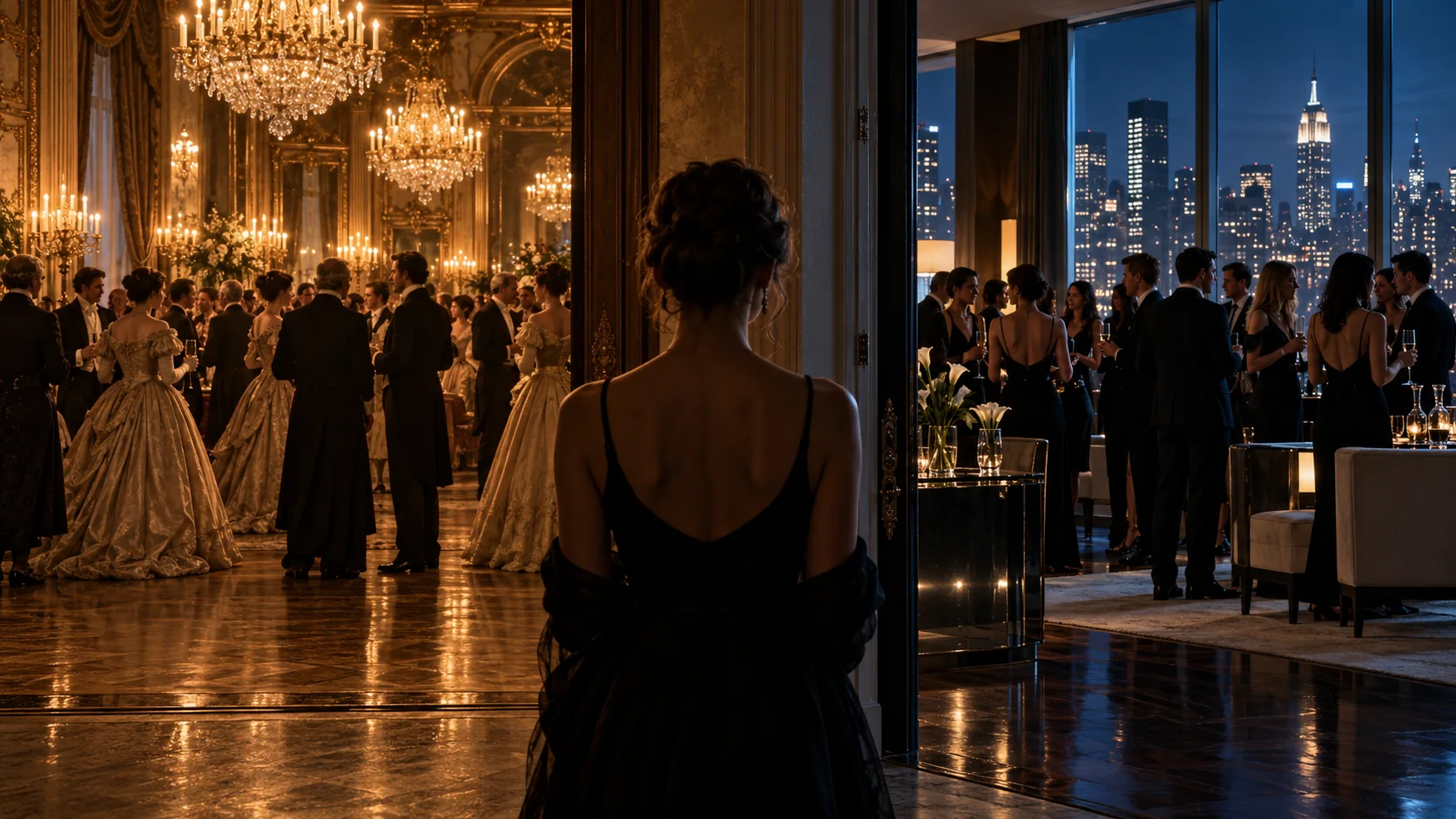
I’ve been trying to figure out what connects certain stories I’m drawn to. HBO’s The Gilded Age and the 1999 film Cruel Intentions probably would not end up next to each other on most people’s lists. One has elaborate gowns and arguments over who gets invited to dinner. The other has wealthy Manhattan teenagers turning seduction into a competitive sport. But the more I think about them, the more the connection makes sense.
Both are about people who understand that being accepted by the right crowd gives them power. What interests me is how differently they use that understanding, and what it does to their ability to have an honest relationship with anybody.
I’ve started thinking of this as social power drama. It’s a useful way to describe why a conversation in a beautiful room can feel like a fight.
The price of admission
Bertha Russell has enough money to build a magnificent house and fill it with just about anything she wants. Getting the people across the street to come over is apparently a much bigger project.
That is what makes her position in The Gilded Age so interesting. She has achieved the kind of wealth that should make her untouchable, but she still needs something from people who consider themselves above her. Their acceptance would confirm that her family’s success counts. Without it, she can spend a fortune putting on a party and still be treated like someone who doesn’t understand how things work.
The old-money crowd has a pretty effective arrangement. They get to decide what good taste looks like, who has the right background, and which ambitions are inappropriate. Naturally, the ambitions threatening their position tend to be the inappropriate ones.
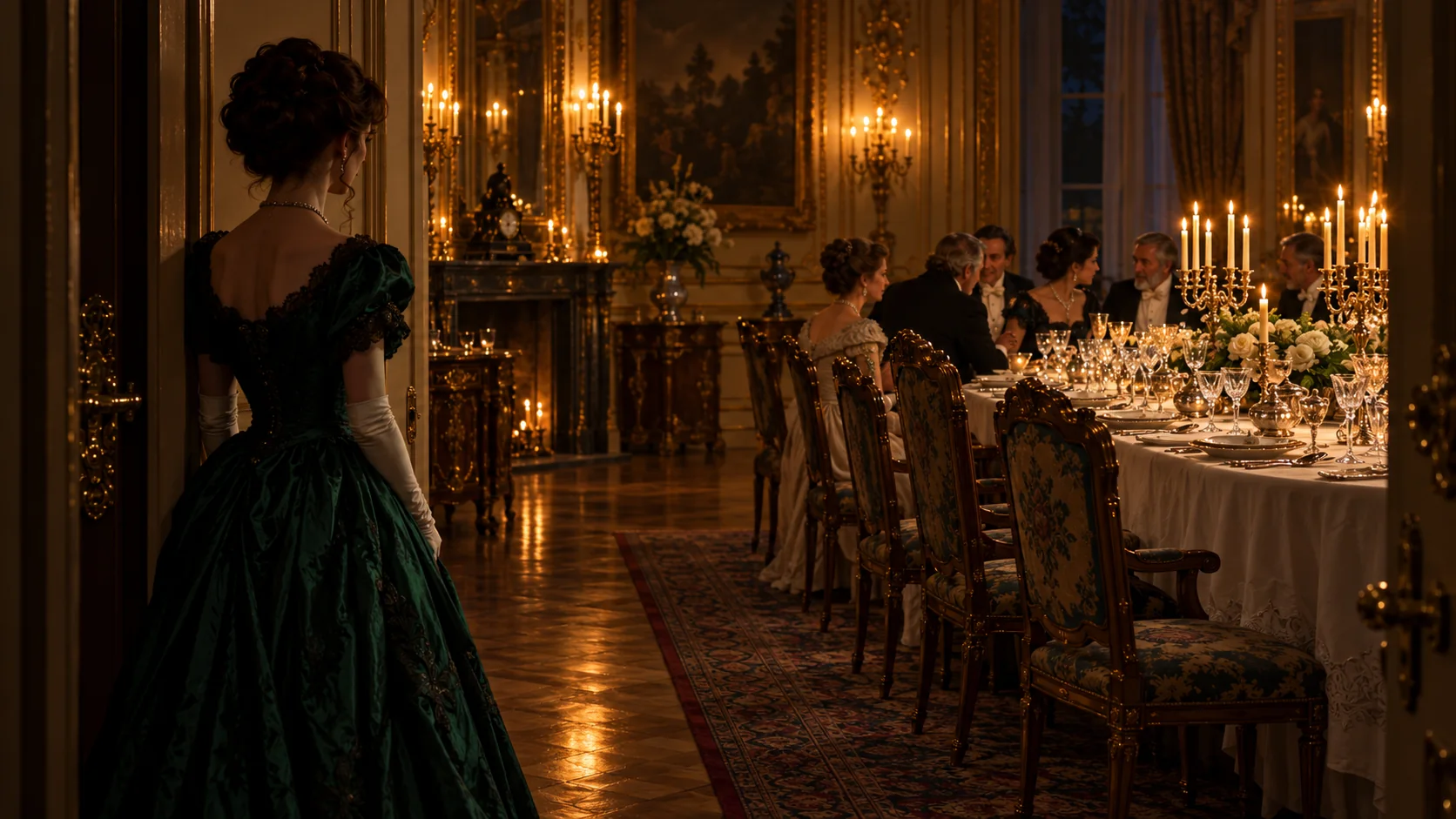
I like how much of this conflict can be expressed through a room. The size of it, the flowers, the place settings, the people who show up. A filmmaker can give us all that beauty and then make it uncomfortable by showing who is missing. Suddenly an empty chair has more to say than the person sitting beside it.
Privilege turned into a weapon
Kathryn Merteuil and Sebastian Valmont have a different problem in Cruel Intentions. They already belong to their privileged world. They have the money, the access, and enough freedom to make other people’s lives their entertainment.
Their wager turns someone else’s intimacy into a prize. Annette enters the situation without knowing the terms of the game, which gives Sebastian an enormous advantage. He knows what he is trying to accomplish. She thinks she is getting to know a person.
But then he actually starts to care about her. That complicates things. The behavior that made him good at manipulating people becomes an obstacle to having something real with one of them. How do you convince somebody you are being honest when dishonesty is what got you close to them?
Kathryn understands another kind of performance. Her respectable public image allows her private behavior to go largely unquestioned. People see what they expect to see, and she knows how to work with that. Bertha wants the right people to recognize her. Kathryn has learned how useful it is to be recognized incorrectly.

The rules nobody explains
Enough plot. The part I keep coming back to is how much these characters know about a situation that the person beside them may not.
Who needs whose approval? Which compliment is actually an insult? Who can behave badly and get away with it? These questions determine how an interaction plays out before anyone says what they really want.
In The Gilded Age, an invitation can establish someone’s importance or make their exclusion official. In Cruel Intentions, a private conversation can give someone information they will later use against the person who trusted them. The details are different, but both stories make us pay attention to the gap between the conversation people appear to be having and what they are doing to each other.
And that gets exhausting for the characters. Bertha’s desire for acceptance can turn relationships into opportunities for advancement. Kathryn and Sebastian’s need to maintain control makes sincerity dangerous. If you are always looking for an advantage, eventually you have to wonder whether everybody else is doing the same thing to you.
You can win a place in the room and still feel completely alone there. That seems to me like the real cost of making status so important.
What I take to the page
As a filmmaker and writer, I find this useful because it gives me something specific to look for in a scene. What does this person need? Why can’t they ask for it directly? What would happen if the other person noticed?
A greeting that comes a little too late can answer those questions. So can somebody laughing at the wrong moment. Once we understand the relationship, small things carry a surprising amount of weight.
That is what I want to explore in my writing: characters whose need to belong shapes how they behave, until the performance starts getting in the way of the connection they wanted in the first place. Beautiful rooms are a bonus. The people making themselves miserable inside them are what keep me watching.